
Introduction
Acne does not always disappear after the teenage years. Many adults continue to experience pimples, blackheads, whiteheads, and painful breakouts well into their 20s and 30s. In some people, acne may even begin for the first time after the age of 25. Adult acne is particularly common among women and may be linked to hormonal fluctuations, stress, genetics, skincare products, or certain medicines.
If you are still asking, “Why am I getting pimples after 25?”, the answer is that acne is not simply a teenage problem. Understanding the underlying triggers and choosing the right treatment can help you achieve clearer, healthier-looking skin.
Why Do You Still Get Acne After 25?
Adult acne can develop because several factors affect the pores and oil glands. Hormonal fluctuations are one of the most common contributors, especially around menstrual periods or other hormonal changes. Stress can also influence acne by affecting hormone levels and oil production.
Genetics may increase your tendency to develop acne. In addition, heavy or pore-clogging skincare, makeup, and hair products may contribute to breakouts. Some medicines can also trigger or worsen acne. In women, persistent adult acne together with irregular periods or other symptoms may sometimes warrant evaluation for an underlying hormonal condition.
This is why adult acne should not always be treated by simply buying another over-the-counter product. A dermatologist can assess your skin, identify the type and severity of acne, and develop a treatment plan suited to you.
Common Signs of Adult Acne
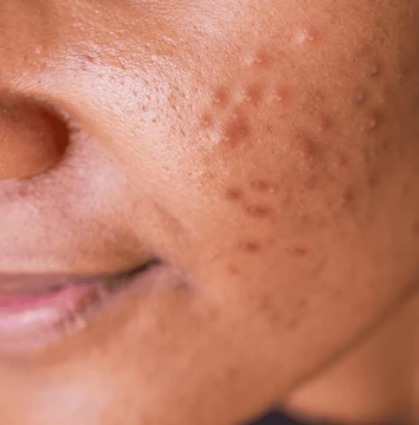
Adult acne may appear as blackheads, whiteheads, small pimples or deeper, painful nodules. Many women notice breakouts around the chin, jawline, and lower face, although acne can occur anywhere there are hair follicles and oil glands.
Another concern is the marks left behind after pimples heal. In Indian skin tones, post-inflammatory dark spots can be particularly noticeable. Picking or squeezing pimples can increase inflammation and the risk of scarring, so early and appropriate treatment is important.
Adult Acne and Hormones
Hormones can play an important role in adult acne. Changes in androgen activity can stimulate oil production and contribute to clogged pores and inflammation. Some women notice that their acne becomes worse around their menstrual cycle.
If acne is persistent, sudden, or accompanied by symptoms such as irregular periods or excessive facial hair, a dermatologist may consider whether hormonal evaluation is appropriate. Treatment should be individualized rather than based on assumptions about the cause.
How Can Adult Acne Be Treated?
Treatment depends on the type and severity of acne, your skin type, previous treatments, and whether you have acne marks or scars. Dermatologists may recommend topical ingredients such as adapalene, benzoyl peroxide, salicylic acid, or azelaic acid for appropriate patients. Prescription treatments may be considered when acne is moderate, severe, painful, or resistant to routine care.
A simple skincare routine also matters. Use a gentle cleanser, choose oil-free or non-comedogenic products, moisturize when needed, and use broad-spectrum sunscreen. Avoid harsh scrubbing and frequent product switching. Acne treatments usually require consistent use and patience; improvement commonly takes several weeks rather than happening overnight.
Pregnant or pregnancy-planning patients should speak with a dermatologist before starting acne medication because some treatments are not appropriate during pregnancy.
When Should You See a Dermatologist?
You should consider professional dermatology care if acne is painful, deep, persistent, leaving dark marks or scars, or not improving with a consistent skincare routine. It is also worth seeking medical advice when adult acne appears suddenly or when you suspect a hormonal or medication-related trigger.
A dermatologist can distinguish acne from other conditions that may look similar and can combine treatments when necessary. The goal is not only to clear current pimples but also to reduce new breakouts and help prevent long-term acne scars.
Why Choose Dr. Sneha Kovi for Adult Acne Care in Guntur?
For adults looking for a Top dermatologist in Guntur, personalized evaluation is an important part of acne care. Dr. Sneha Kovi focuses on understanding the pattern, severity, and possible triggers of acne before recommending a suitable treatment approach.
If you are searching for the Best dermatologist in Guntur, a Lady skin specialist in Guntur, or a Best skin specialist in Guntur for persistent adult acne, professional guidance can help you avoid unnecessary experimentation and choose evidence-based skincare and treatment options.
Dr. Sneha Kovi can guide patients through acne management with attention to active breakouts, acne marks, skin sensitivity, and long-term prevention. The right plan varies from person to person, so treatment should be tailored to individual skin needs.
Simple Tips to Reduce Adult Acne Breakouts
• Wash your face gently twice a day and after heavy sweating.
• Choose products labeled non-comedogenic or oil-free.
• Avoid squeezing, picking, or repeatedly touching pimples.
• Remove makeup before sleeping.
• Keep hair and hair products away from acne-prone facial skin.
• Introduce active acne products gradually to reduce irritation.
• Use sunscreen daily, especially when treating acne marks.
• Give a treatment enough time to work before changing products.
• Seek professional advice for painful, recurring, or scarring acne.
Conclusion
Getting pimples after 25 is common and does not mean you are doing something wrong. Adult acne can be influenced by hormones, stress, genetics, skincare products, and other factors. With an accurate diagnosis, a consistent skincare routine, and an individualized treatment plan, acne can often be controlled effectively.
If you are looking for a Top skin specialist in Guntur or searching for the Best dermatologist in Guntur for adult acne, consulting Dr. Sneha Kovi can be a useful step toward healthier, clearer skin. Early treatment can also help reduce the risk of persistent acne marks and scars.
Medical Disclaimer
This article is for general educational purposes and is not a substitute for an individual medical consultation. Acne treatments should be selected according to the patient’s skin condition, medical history, and other relevant factors. Consult a qualified dermatologist before starting prescription or active acne treatments.